
Dr. Kudzai Dombo Featured on The Vault Discussing Menopause, Black Women’s Health, and the Power of Being Heard
BY DR. KUDZAI DOMBO
A recent episode of The Vault explored an important conversation that has been missing from women’s health for far too long: the unique menopause experiences of Black women and the barriers many continue to face when seeking care, support, and information.
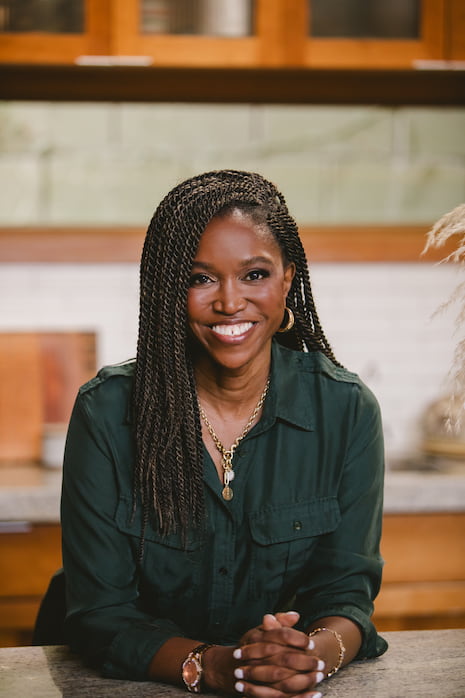
Dr. Kudzai Dombo, board-certified OB-GYN, menopause specialist, and founder of The Hukadzi Way, joined the discussion to share insights on menopause, health equity, and the importance of creating spaces where women feel heard, understood, and empowered to make informed decisions about their health.
Why Black Women’s Experiences Matter
Research shows that Black women often experience menopause differently than many of their peers.
Studies have found that symptoms may begin earlier, last longer, and be experienced more intensely. Yet despite these realities, Black women are among the least likely to receive treatment and are often underrepresented in menopause research, education, and public conversations.
When experiences are left out of the conversation, women are left searching for answers on their own.
Awareness matters.
Representation matters.
And access to accurate information matters.
Care Begins With Listening
One of the most important themes throughout the conversation was the importance of listening.
Healthcare does not begin with treatment.
It begins with understanding.
Historical medical mistrust, cultural beliefs, family experiences, and previous encounters with the healthcare system all influence how women approach conversations about menopause and treatment.
Rather than assuming what women need, effective care requires meeting them where they are.
“Before we can help women move forward, we have to meet them where they are. Every woman deserves to feel heard, understood, and empowered to make informed decisions about her health.”
— Dr. Kudzai Dombo
When women feel heard, they are more likely to ask questions, share concerns, and explore treatment options that align with their values and goals.
Menopause Is More Than Hot Flashes
Another important focus of the discussion was the broader impact menopause can have on long-term health.
While many women associate menopause with hot flashes and night sweats, hormonal changes affect far more than temperature regulation.
As estrogen levels decline, women may experience changes that influence:
- Cardiovascular health
- Brain health and cognition
- Sleep quality
- Mood and emotional wellbeing
- Metabolic health
- Bone health
For Black women, who already face higher rates of cardiovascular disease and certain chronic health conditions, understanding these connections becomes especially important.
The Link Between Stress and Health
The conversation also explored the relationship between menopause, stress, and brain health.
Many women spend decades balancing careers, caregiving responsibilities, family obligations, and personal challenges. Chronic stress and cumulative life experiences can influence both physical and emotional wellbeing over time.
Dr. Dombo discussed how stress may contribute to symptom severity and long-term health outcomes, including cognitive decline and dementia risk. She emphasized the importance of taking a whole-person approach to menopause care.
Hormones matter.
But so do sleep, movement, nutrition, stress management, and emotional support.
A Personal Perspective
One of the most powerful moments in the discussion came when Dr. Dombo shared her own experience with perimenopause.
Despite being an OB-GYN herself, she did not immediately recognize the symptoms she was experiencing. Sleep disruption, mood changes, irritability, and low energy gradually began affecting her daily life.
Her story reflects something many women experience.
Symptoms often develop gradually.
Women adapt.
They push through.
They assume they are simply stressed, overwhelmed, or getting older.
And in the process, they may spend years overlooking the role hormones are playing.
Creating a Better Future for Women
The discussion concluded with a conversation about the Black Women’s Wellness Initiative, which Dr. Dombo helped launch to increase education, advocacy, access, and culturally affirming menopause care.
At its core is a simple belief:
Women deserve trusted information.
Women deserve options.
Women deserve the opportunity to make informed decisions about their health.
Through her clinical work, advocacy, and educational efforts, Dr. Dombo continues to help women understand that menopause is not simply something to endure.
It is a major health transition that deserves attention, support, and informed care.
Listen to the full conversation on The Vault featuring Dr. Dombo here.
Related Pillars of The Hukadzi Way™
- Hormones
- Community
- Healthspan
Learn more about The Hukadzi Way™ and Dr. Dombo’s whole-woman approach to midlife wellness.