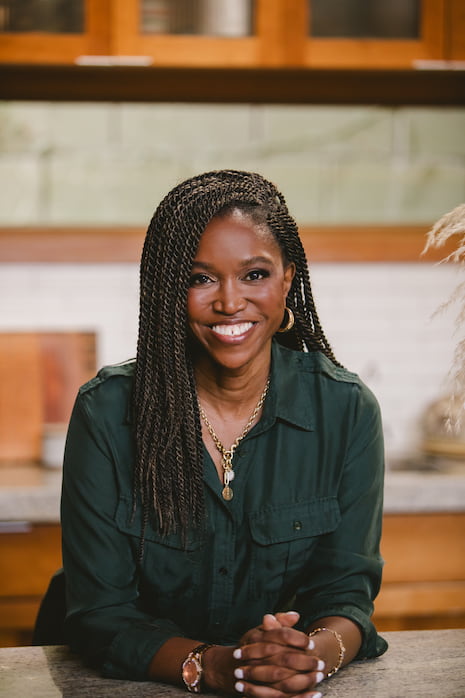


Dr. Kudzai Dombo Featured on Hot for Your Health Discussing Perimenopause, Hormone Therapy, and Women’s Health
BY DR. KUDZAI DOMBO
For many women, the first signs of perimenopause arrive years before they expect them. Sleep becomes more difficult, anxiety appears seemingly out of nowhere, and brain fog makes it harder to focus. Energy levels shift, moods become less predictable, and everyday life suddenly feels more challenging. Yet many women are told they are simply stressed, overwhelmed, aging, or too young to be experiencing menopause-related symptoms.
In a recent episode of Hot for Your Health, Dr. Kudzai Dombo joined a conversation exploring what women are often not told about perimenopause and menopause, and why so many continue searching for answers.
Perimenopause Starts Earlier Than Many Women Realize
One of the central themes of the discussion was the reality that perimenopause can begin years before menopause itself. Many women assume menopause symptoms only begin once periods stop. In reality, fluctuating hormone levels can create significant symptoms while cycles are still occurring, leaving many women confused about what is happening in their bodies.
Dr. Dombo emphasized that symptoms experienced during perimenopause are not something women simply need to tolerate or dismiss because they are still menstruating.
“Just because you’re still having a period does not mean your symptoms aren’t worth treating.”
— Dr. Kudzai Dombo
Understanding this distinction can be incredibly validating for women who have spent years wondering why they no longer feel like themselves.
The Symptoms Are Real
Perimenopause is not simply a reproductive transition. Hormonal fluctuations can affect multiple systems throughout the body, influencing sleep, mood, cognition, metabolism, energy levels, and emotional wellbeing. Many women spend years attributing these changes solely to stress, burnout, demanding schedules, or aging. While those factors certainly play a role, hormones are often part of the picture as well.
Recognizing that connection can help women move from confusion toward clarity and begin seeking support that addresses the root causes of their symptoms.
Why One-Size-Fits-All Care Doesn’t Work
Another important topic throughout the discussion was individualized care. No two women experience perimenopause in exactly the same way. Some struggle primarily with sleep, while others notice mood changes, anxiety, brain fog, hot flashes, or several symptoms at once.
This is why Dr. Dombo advocates for a precision medicine approach. Effective care begins by understanding the individual woman sitting in front of you, her symptoms, health history, goals, and priorities. Treatment decisions should reflect those unique circumstances rather than relying on a standardized protocol.
Understanding Hormone Therapy
The conversation also addressed one of the most persistent sources of confusion in women’s health: hormone therapy. For many women, concerns about breast cancer and long-standing misconceptions continue to create fear around treatment. Dr. Dombo discussed how outdated information has left many women unnecessarily hesitant to explore options that may improve both quality of life and long-term health.
The goal is not to convince every woman to use hormone therapy. The goal is to ensure every woman has access to accurate, evidence-based information so she can make informed decisions about her health.
Hormones Are One Piece of the Puzzle
At the same time, Dr. Dombo emphasized that hormones are not a magic solution. Long-term health during midlife requires a comprehensive approach that includes strength training, nutrition, sleep, stress management, movement, and preventive care.
Hormone therapy can be a valuable tool, but it works best as part of a larger strategy for healthy aging rather than a standalone answer.
Expanding Access to Care
The conversation concluded with a discussion about access. Many women live in areas with limited access to menopause specialists, while others face long wait times or struggle to find providers with advanced menopause training. Expanding access to education and evidence-based care helps women better understand their symptoms, advocate for themselves, and make informed decisions about their health.
Through her clinical work, advocacy efforts, and educational platform, Dr. Dombo continues to champion a more informed and compassionate approach to menopause care.
Because women deserve more than reassurance that their symptoms are “normal.”
They deserve answers, options, and support throughout every stage of midlife.
Watch the full Hot for Your Health conversation featuring Dr. Dombo here.
Related Pillars of The Hukadzi Way™
- Hormones
- Sleep
- Nutrifitness
- Healthspan
Learn more about The Hukadzi Way™ and Dr. Dombo’s whole-woman approach to midlife wellness.