

Dr. Kudzai Dombo Featured in The Boston Globe on Menopause Care for Black Women
BY DR. KUDZAI DOMBO
A recent opinion piece in The Boston Globe explored an important question: Why are so few Black women receiving hormone therapy for menopause despite often experiencing symptoms earlier, more intensely, and for longer periods of time than white women?
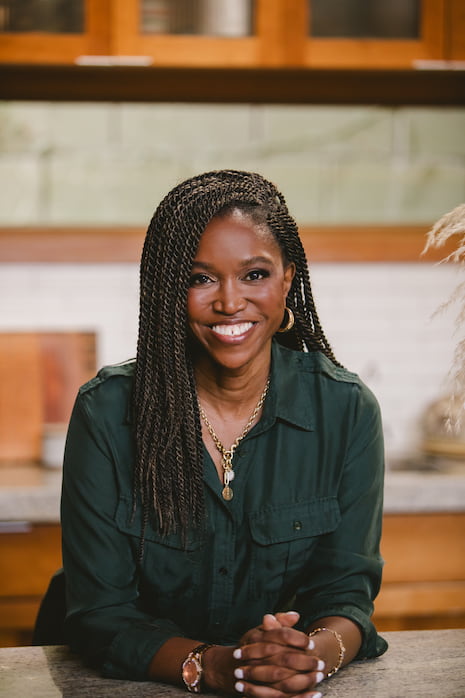
The article featured Dr. Kudzai Dombo, board-certified OB-GYN, menopause specialist, and founder of The Hukadzi Way, as part of a growing national conversation about access, awareness, and equity in women’s healthcare.
The Gap Between Symptoms and Treatment
One of the central themes of the article is a reality Dr. Dombo encounters regularly through her clinical work and the Black Women’s Wellness Initiative she helped launch through Alloy Health.
Many women are struggling through symptoms without realizing effective treatment options exist. Others may be hesitant to explore hormone therapy because of longstanding fears, misinformation, cultural beliefs, or previous experiences of feeling dismissed within the healthcare system.
As awareness around menopause continues to grow, access to accurate information has become increasingly important.
Women cannot make informed decisions about treatment if they are never given the opportunity to learn about their options.
Menopause Is More Than a Reproductive Transition
For generations, women were often taught that menopause was simply something to endure.
Hot flashes, night sweats, insomnia, fatigue, anxiety, depression, brain fog, joint pain, and changes in sexual health were frequently viewed as an unavoidable part of aging rather than symptoms that could be evaluated and addressed.
Today, research tells a more complete story.
Menopause affects far more than reproductive health. Hormonal changes can influence cardiovascular health, bone density, cognitive function, sleep quality, emotional wellbeing, and overall quality of life.
Understanding these broader health implications allows women to approach menopause as an important health transition rather than a condition they simply need to tolerate.
Why the Conversation Is Different for Black Women
For Black women, the conversation becomes even more urgent.
Research has shown that Black women often enter perimenopause earlier, experience symptoms more severely, and remain symptomatic longer than many of their peers. Despite this, they are significantly less likely to seek or receive menopause hormone therapy and often face additional barriers related to healthcare access, representation, trust, and culturally informed care.
These disparities are not simply about treatment.
They are also about education, awareness, and ensuring women have access to providers who understand the unique factors influencing their health experiences.
“Every woman deserves access to accurate information and the opportunity to make informed decisions about her health. Education should never be a privilege.”
— Dr. Kudzai Dombo
Building Trust Through Education
Through The Hukadzi Way, Dr. Dombo advocates for a comprehensive approach to menopause care that combines evidence-based medicine with education, trust-building, and personalized support.
She believes women deserve clear information about both the benefits and risks of treatment options so they can make decisions that align with their health goals, medical history, and personal values.
The goal is not to tell women what choice to make.
The goal is to ensure they have the information needed to make the choice that is right for them.
Women Deserve Better Answers
One of the most powerful messages from the article is that feeling dismissed by a healthcare provider does not have to be the end of the story.
Women deserve to be heard.
They deserve answers.
And they deserve access to providers who understand the complexity of menopause and the many factors that can shape a woman’s health journey.
As awareness continues to grow, conversations like this help challenge outdated narratives and encourage more women to seek support sooner rather than suffering in silence.
Because menopause is not simply about managing symptoms.
It is about protecting health, preserving quality of life, and helping women thrive through one of the most significant transitions of adulthood.
Read the full Boston Globe article featuring Dr. Dombo here.
Related Pillars of The Hukadzi Way™
- Hormones
- Community
- Healthspan
Learn more about The Hukadzi Way™ and Dr. Dombo’s whole-woman approach to midlife wellness.